
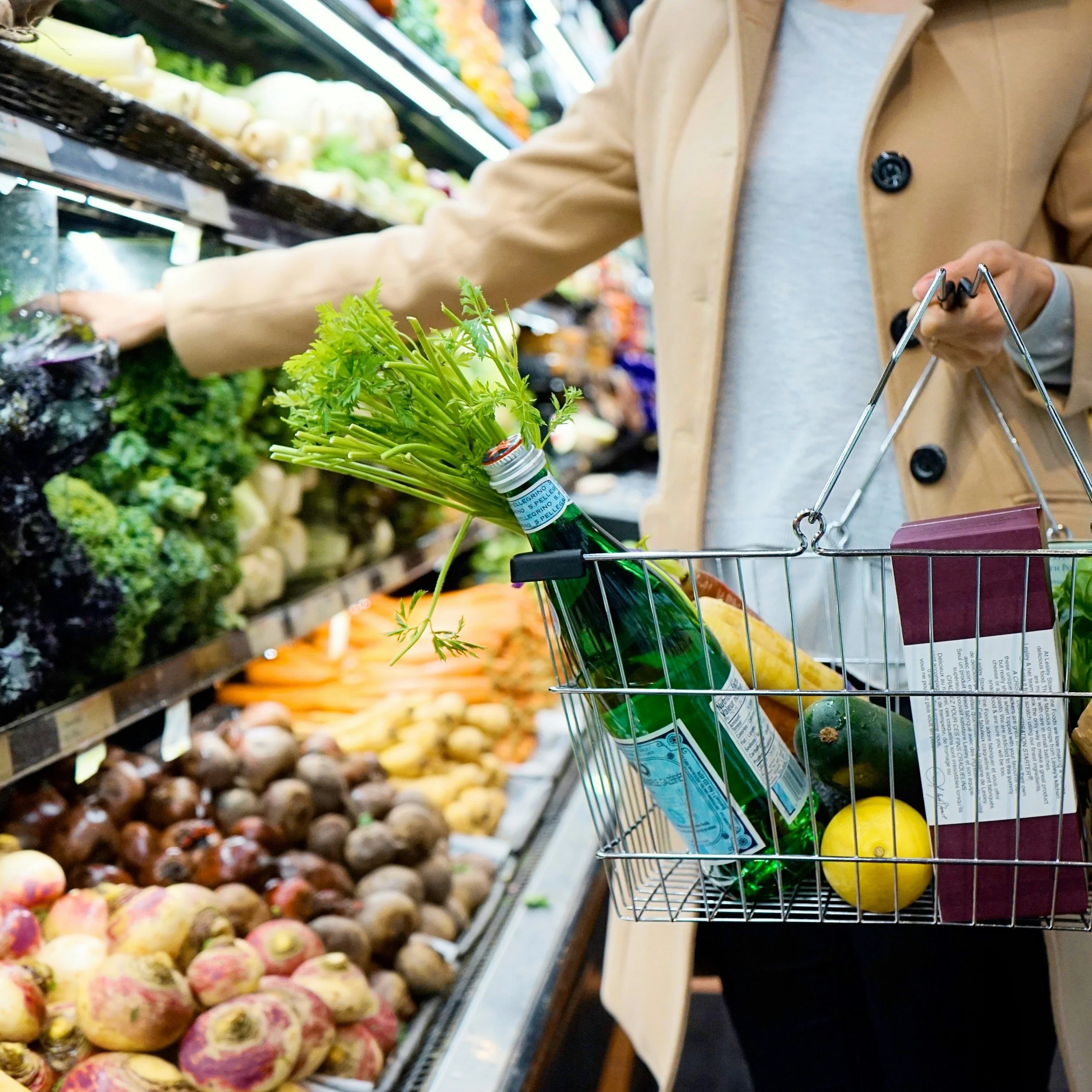
How to Read Food Labels
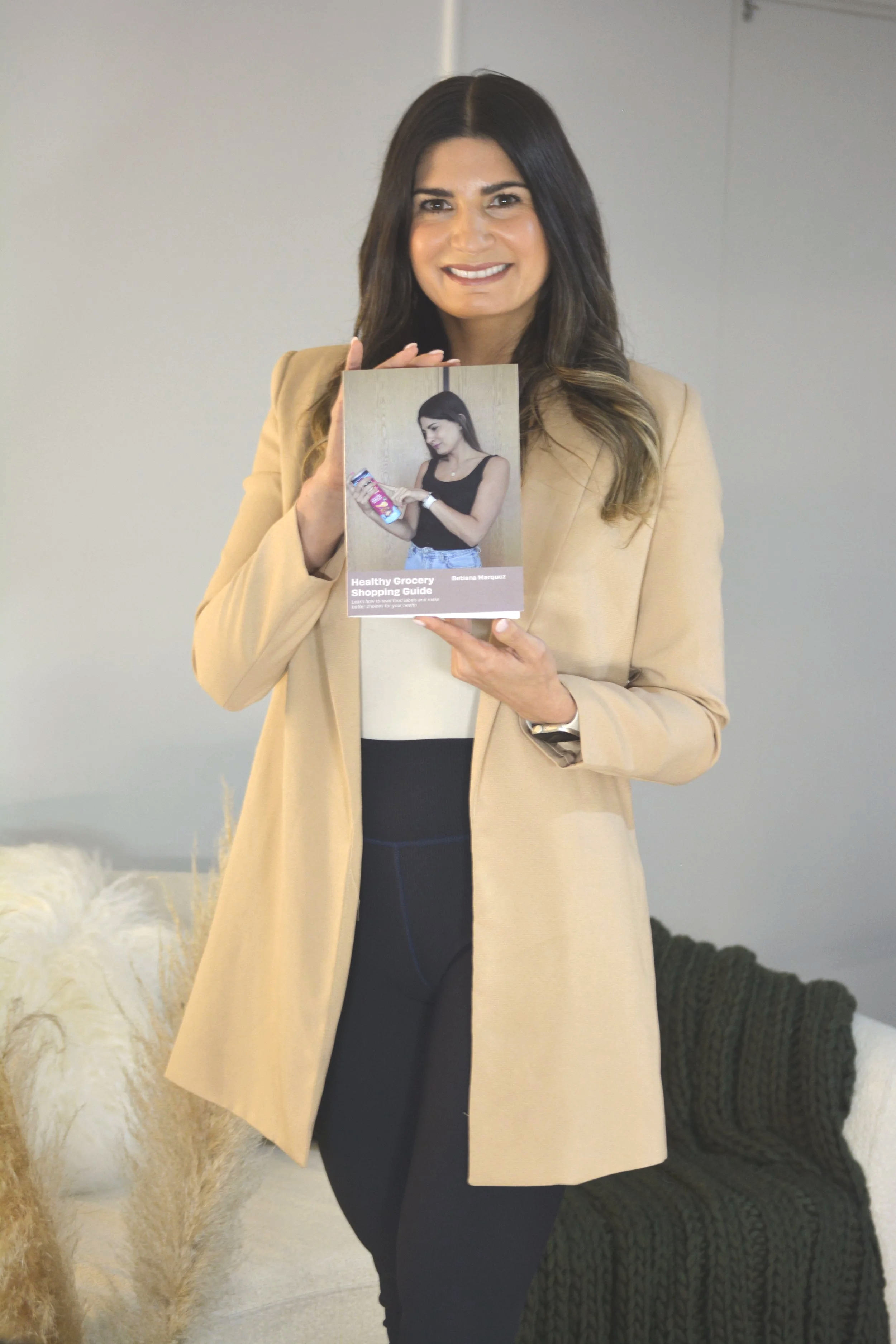
📖 Healthy Shopping Guide (Digital) – Course Companion
Read this before you start!
As part of this course, you get free access to the Healthy Shopping Guide, a resource designed to support you throughout every lesson.
The guide complements the course videos and reinforces the concepts explained in each module. I recommend downloading it before you begin and keeping it at hand as you work through the lessons.
Inside the guide you'll find a clear, practical summary of everything we cover in the videos, plus extra information you can come back to whenever you need it.
Throughout the course, in the guide and in the practical video examples, you'll learn to:
✅ Read and interpret nutrition labels step by step.
✅ Spot hidden sugars, refined oils and common additives.
✅ Understand what popular marketing claims really mean ("natural", "high protein", "no added sugar" and more).
✅ Compare products properly to make better decisions.
✅ Choose real, minimally processed foods with more confidence.
✅ Apply everything using real products we analyse together in the lessons.
Keep the guide open or printed while you watch the videos. It will make each explanation easier to follow, help you take notes, and become a practical tool every time you go to the supermarket.
Now enrol in the course, download your guide, and let's get started!
If you'd like, you can buy the printed guide for pick-up in Auckland (Wynyard Quarter) or home delivery here.
Welcome to the Course
We are surrounded by products that claim to be “healthy”, “natural”, “no added sugar”, “wholegrain”, and so on. However, these claims do not always reflect the actual quality of the food.
You will learn how to interpret ingredient lists and nutrition information panels so you can make informed decisions rather than being influenced by marketing strategies.
Throughout this course, we will look at real examples from the supermarket, and you will learn a simple, practical method to confidently evaluate any product.
You don't need any prior knowledge, just a willingness to learn and start making more conscious food choices.
Now, click on “Start the Course” to subscribe, then download the guide, and let's get started!

ABOUT THE AUTHOR
Betiana Marquez
Food Science and Technology Graduate | Certified Holistic Health & Nutrition Coach | Hormone Coach
Betiana Marquez holds a degree in Food Science and Technology, with specialised training in integrative nutrition, hormonal health and food education.
Her experience combines scientific knowledge of the food industry, including food development, processing, formulation and labelling, with clinical practice in personalised nutrition and health coaching.
In this course she shares practical, evidence-based tools to help you interpret ingredient lists, understand nutrition information panels and develop the criteria to shop more consciously and healthily.
Her approach simplifies label reading, demystifies marketing messages and gives you knowledge you can apply right away to make food decisions with more confidence.
Frequently Asked Questions
-
All course content is in English. The videos have an English voice-over and English subtitles to make them easy to follow. The digital guide is also fully written in English.
-
This course is for anyone who wants to make healthier, more confident food choices. Whether you want to improve your health, lose weight, look after your family's nutrition or simply understand what you eat better, this course is for you. No previous nutrition knowledge is required.
-
Yes. You'll learn a simple, step-by-step method you can apply to almost any packaged food, whatever the brand or supermarket.
-
Not at all. Everything is explained in simple, practical language so anyone can follow along easily.
-
By the end of the course you'll know how to:
Read nutrition information panels.
Understand ingredient lists.
Recognise misleading marketing claims.
Compare products with confidence.
Choose healthier options at the supermarket.
Shop with more confidence and less confusion.
-
Your enrolment includes two resources that work together: the Healthy Shopping Guide and a series of videos with explanations and practical examples of real products.
The guide is a core part of the course, so read it and use it alongside the lessons. It covers the main concepts in an organised way, plus reference information and appendices.
The videos show you how to apply that knowledge in real situations: reading ingredient lists, analysing nutrition panels, spotting marketing strategies and comparing products properly.
You can download the guide and keep it as a reference for your shopping. You can also buy a printed copy to take to the supermarket or keep in your kitchen.
-
The course includes 13 modules with short videos that add up to about 30 minutes of video content. It also comes with the Healthy Shopping Guide as companion reading, so the total time depends on how fast you read it.
You can complete the course in one sitting or go at your own pace, with ongoing access to come back to the content whenever you need.
-
Yes. Once you've purchased the course, you can return to the lessons whenever you want to review or refresh your knowledge.
-
Instead of giving you a list of "good" or "bad" foods, I'll teach you how to evaluate products yourself, so you can make informed decisions based on your own health goals and preferences.
-
Yes. The skills you'll learn apply whether you eat gluten-free, dairy-free, vegetarian, vegan or follow any other specialised diet.
-
As soon as you complete your purchase, you'll have access to the course online. You can learn at your own pace on your computer, tablet or phone.
-
This course is a self-paced educational programme. If you'd like personalised nutrition advice, you can book a one-on-one consultation with Bet Health Coach.
-
Yes. Although some product examples come from New Zealand supermarkets, the principles of reading food labels apply in most countries.
-
Even people who eat well are often surprised by what they discover when they read food labels. This course will help you better understand ingredients, nutrition claims and how to compare products more effectively.