
14 of the Best Vegetables for Women's Health and Hormone Balance
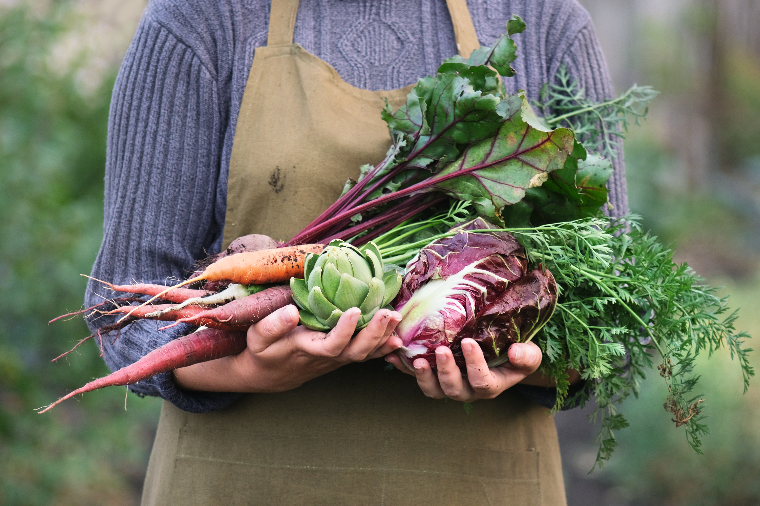
If there's one food group almost everyone can eat more of, it's vegetables. They're packed with fibre, vitamins, minerals and antioxidants that support your gut, energy, blood sugar and hormones.
In New Zealand, the guidelines recommend at least 3 servings of vegetables and 2 of fruit every day. Most of us don't get there. Here are the vegetables I love most for women's health, and easy ways to eat more of them.
Why vegetables matter for your hormones
Fibre feeds your gut bacteria, supports regular digestion and helps your body clear used hormones, including estrogen.
Fibre also slows digestion, which helps keep blood sugar and energy steadier.
Magnesium, B vitamins and antioxidants support energy, mood and your stress response.
My top vegetables for women's health
1. Broccoli. Part of the cruciferous family, which contains compounds that support your liver's natural detox pathways, including how it processes estrogen.
2. Cauliflower. Another crucifer, and so versatile. Roast it, mash it or blitz it into rice.
3. Kale. Rich in vitamin K, calcium and antioxidants. Massage it with olive oil and lemon for a softer salad.
4. Brussels sprouts. Roasted until crispy, they're a different vegetable entirely.
5. Cabbage. Affordable, long-lasting and great in slaws, stir-fries or as sauerkraut for gut health.
6. Spinach. A good source of folate and magnesium. Add a handful to eggs, smoothies or soups.
7. Silverbeet. A Kiwi garden staple, full of magnesium and fibre.
8. Kūmara. Rich in fibre and beta-carotene. A satisfying, slower-release carb when paired with protein.
9. Beetroot. Great roasted or grated raw into salads, and naturally rich in folate.
10. Capsicum. Red capsicums are one of the best sources of vitamin C you can eat.
11. Carrots. Crunchy, cheap and easy to snack on with hummus.
12. Mushrooms. Add depth to meals and provide B vitamins.
13. Leeks and onions. Contain prebiotic fibres that feed your good gut bacteria.
14. Avocado. Technically a fruit, but full of healthy fats and fibre that help keep you full.
Easy ways to eat more vegetables
Add veg to breakfast: spinach in your eggs, or grated zucchini in your oats.
Fill half your plate with vegetables at lunch and dinner.
Roast a big tray on Sunday to add to meals all week.
Keep frozen veg in the freezer. It's just as nutritious and great for busy nights.
Eat the rainbow: aim for different colours across the week.
Increase slowly if you're not used to much fibre, and drink plenty of water to avoid bloating.
The bottom line
Every vegetable counts. Focus on variety, add a few more to every meal, and include cruciferous veg like broccoli, cauliflower and cabbage regularly for extra hormone support.
Want a way of eating that supports your hormones?
If you're ready for a personalised nutrition plan that fits your life, book your free initial assessment.
This article is for educational purposes and is not a substitute for medical advice. If you have a thyroid condition, take blood thinners or have digestive issues, check with your doctor before making big changes to your diet.
