
What Are Macronutrients? A Simple Guide to Balanced Meals
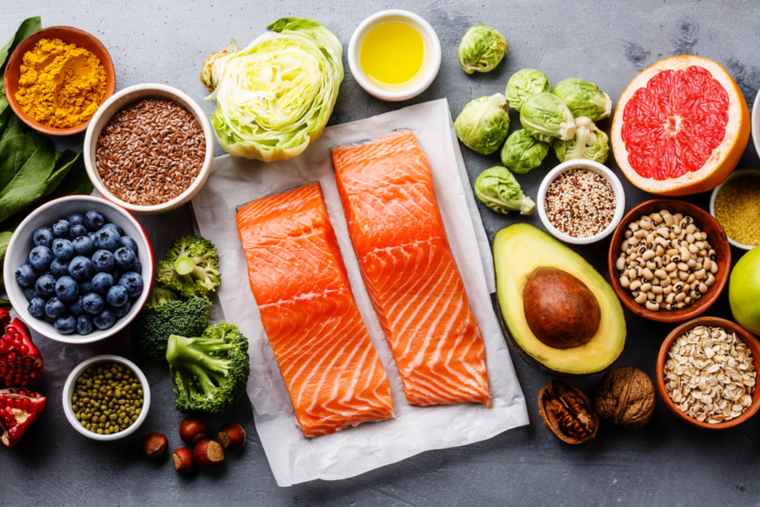
Protein, carbs, fats. You've probably heard them called "macros", and you've probably also heard that one of them is the enemy. Carbs make you gain weight. Fat is bad for your heart. You can never have too much protein.
The truth is simpler: your body needs all three. The key is the right balance and the right quality for you.
What are macronutrients?
Macronutrients are the nutrients your body needs in larger amounts to give you energy and keep everything working. There are three: protein, carbohydrates and fats. Each has a different job.
Protein: your building block
Protein builds and repairs muscle, skin, hair and bones, and helps make hormones and enzymes. It also keeps you full and helps keep blood sugar steady.
As we get older, and especially from perimenopause onwards, protein becomes even more important for protecting muscle. Many women don't eat enough, particularly at breakfast.
Good sources: eggs, Greek yoghurt, cottage cheese, fish, chicken, lean red meat, tofu, tempeh, lentils, chickpeas and beans.
Carbohydrates: your main fuel
Carbs are your body's preferred source of energy, especially for your brain and muscles. They're not the enemy, but the type matters.
Fibre-rich carbs like vegetables, fruit, legumes, oats, kūmara and whole grains release energy slowly and feed your gut bacteria.
Refined carbs and added sugars like white bread, pastries, lollies and sugary drinks are digested quickly, which can lead to energy spikes and crashes and more cravings.
Fats: essential for hormones
Your body needs fat to make hormones, absorb vitamins A, D, E and K, and support your brain and cells. Fat also makes meals satisfying.
Focus on: olive oil, avocado, nuts, seeds (like chia and flax) and oily fish such as salmon and sardines.
Limit: trans fats and lots of processed foods, and keep saturated fats from things like fatty processed meats, butter and pastries in moderation.
What a balanced plate looks like
You don't need to count every gram. A simple guide for most meals:
Half your plate: vegetables or salad
A quarter: protein (about the size of your palm or a bit more)
A quarter: fibre-rich carbs, like kūmara, brown rice, quinoa or legumes
Plus: a thumb or two of healthy fat, like olive oil, avocado or nuts
This combination helps keep your blood sugar steady, your energy even and your cravings in check.
What about micronutrients?
Micronutrients are the vitamins and minerals you need in smaller amounts, like iron, magnesium, calcium, vitamin D and B vitamins. They're just as important. Eating a wide variety of whole foods is the best way to cover them.
The bottom line
There's no need to fear carbs or fat. Build your meals around protein, plenty of vegetables, fibre-rich carbs and healthy fats, and your body has what it needs to feel and work its best.
Want to know what balance is right for you?
Your ideal mix depends on your body, activity, stage of life and goals. If you'd like a personalised plan, book your free initial assessment.
This article is for educational purposes and is not a substitute for medical advice. If you have a medical condition such as diabetes or kidney disease, please check with your doctor or dietitian before changing your diet.
